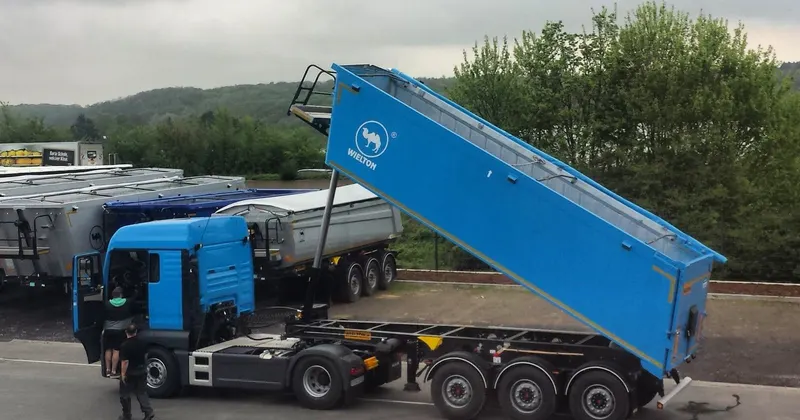

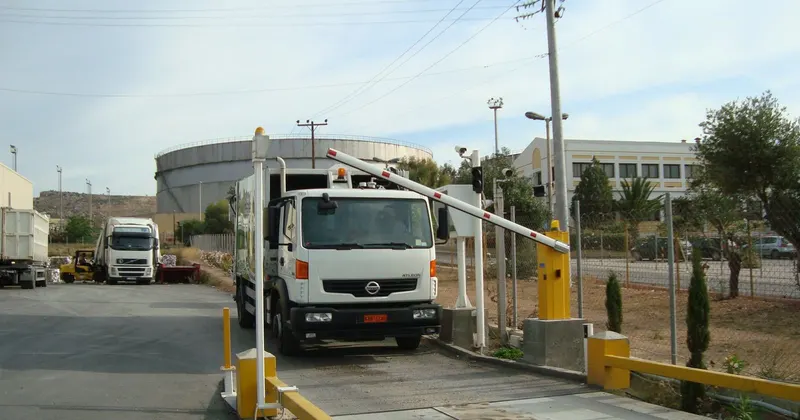
On a truck weighbridge, net weight always comes from the same subtraction: gross minus tare. What changes is where the tare comes from. Either the empty truck is weighed on that same trip (double weighing), or you use a tare you already have on record for that vehicle (stored tare). Both methods are valid, but they are not equally suited to every situation. Choosing the wrong one means the net weight on the delivery note does not match what was actually loaded or unloaded, and that difference ends up on the invoice.
How each method works
With double weighing the truck crosses the weighbridge twice during the same job. If it comes to load, it is weighed empty on the way in and full on the way out. If it comes to unload, it is weighed full on the way in and empty on the way out. The net weight is the difference between the two readings, taken minutes apart with the same driver, the same fuel and the same accessories.
With stored tare the truck is weighed only once, loaded. The tare is taken from a value that was recorded earlier for that registration number: the weight of the empty vehicle measured on another occasion. The net weight is today's gross weight minus that reference tare.
| Aspect | Double weighing | Stored tare |
|---|---|---|
| Weighbridge passes | Two | One |
| Net weight accuracy | The best possible: same-day tare | Depends on how up to date the tare is |
| Time on site | Longer | Shorter |
| Typical risk | The truck leaves without the second weighing | An outdated tare, or one from a different trailer |
| Usual use | Occasional customers, high-value material, unloading | Own or regular fleet, repetitive loads |
When double weighing is the better choice
Double weighing is the safest option whenever the value of the material or the circumstances of the vehicle mean that a few hundred kilos matter. Use it above all in these cases:
- Trucks you do not know. A haulier coming for the first time has no tare on record, and the figure on the technical data sheet is not the vehicle's real weight on the day.
- Material unloading. For incoming scrap, waste or biomass, the truck arrives full and has to be weighed empty on the way out. Here double weighing is the natural way of working.
- Material with a high value per kilo. With non-ferrous metals, for example, a small difference in tare means a lot of money.
- Vehicles with variable equipment. Trucks with a crane, with a swap body, with or without a tarpaulin, or that change trailer or semi-trailer.
- When the customer asks for it. If there are disputes over weight, a same-day double weighing is the hardest argument to challenge.
When stored tare is better
Stored tare makes sense when the same vehicle passes through many times and its empty weight hardly changes. For example, an own fleet making several trips a day with the same material, or the trucks of a regular haulier with a fixed trailer.
The main advantage is time: each truck crosses the weighbridge once instead of twice. In a site with a lot of traffic that cuts waiting and frees up the weighbridge. It also avoids a loaded truck having to turn round to be weighed again.
In return, stored tare demands discipline. An empty vehicle does not always weigh the same: the fuel in the tank, mud stuck to the body, leftover load, a spare wheel or a change of trailer all alter the weight. If the tare was recorded months ago and nobody has checked it, the net weight on the delivery note carries that error on every trip.
Common mistakes and how to avoid them
- Using the tractor unit's tare with a different semi-trailer. The tare must correspond to the whole vehicle combination crossing the weighbridge. If the truck changes semi-trailer, the stored tare is no longer valid.
- Never updating the tare. Set a rule for re-weighing regular vehicles empty: after a certain number of trips, after a certain period, or whenever the vehicle changes. What matters is that the rule exists and is followed.
- Accepting the tare the driver quotes. The tare must come from your weighbridge, not from a piece of paper or the technical data sheet.
- Leaving weighings open. With double weighing, a truck that comes in and does not complete the second reading leaves a half-finished delivery note. Before closing the day, check which weighings are still pending.
- Weighing without a stable reading. If the truck is moving or is not fully on the platform, the reading is useless. Wait until the display shows a stable weight.
- Mixing methods without leaving a trace. If stored tare is used on some days and double weighing on others with the same customer, make it clear on each delivery note which one was used.
A practical rule for your site
Many loading sites combine the two methods with a simple rule. For example:
- Double weighing for all incoming material and for any vehicle with no tare on record.
- Stored tare for regular vehicles on outgoing material, provided their tare has been updated according to the rule you have set.
- Compulsory double weighing if the customer complains, if the vehicle has changed equipment or if the operator sees something odd in the gross weight.
Write the rule down, explain it to whoever operates the weighbridge and review it from time to time. If you do not know how far the stored tare deviates from the real one, run a test: for a few days, weigh regular trucks empty even if they have a stored tare, and compare. The difference will tell you whether your updating rule is good enough.
And do not forget the weighbridge itself. No method makes up for a weighbridge that is not properly adjusted or whose verification is not up to date. The tare and the gross weight come from the same instrument.
Double weighing and stored tare in CargoGest
CargoGest works with both methods. It reads the gross weight, tare and net weight directly from the weighbridge, with nobody typing in numbers, and stores tares by vehicle. When needed, a double weighing is carried out.
The truck is identified by its registration number and the program remembers its tare, its haulier and its driver, so the delivery note comes out with all the vehicle's details. Suppliers' incoming deliveries are also weighed, with their incoming delivery notes, just like outgoing ones.
You can see how weighing works on the CargoGest weighbridge software page and the rest of what it does in all its features.