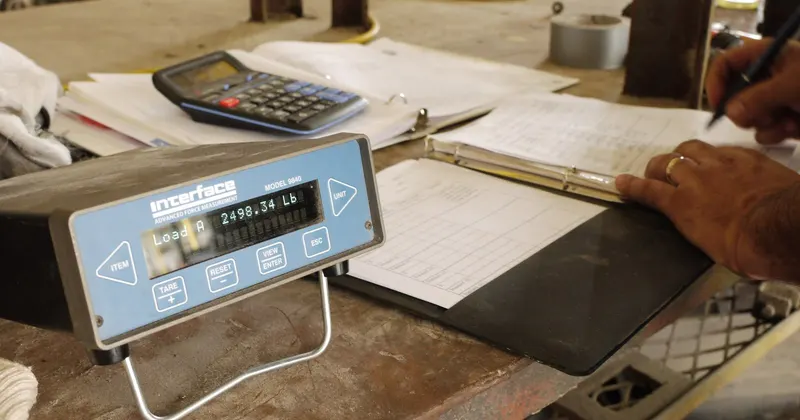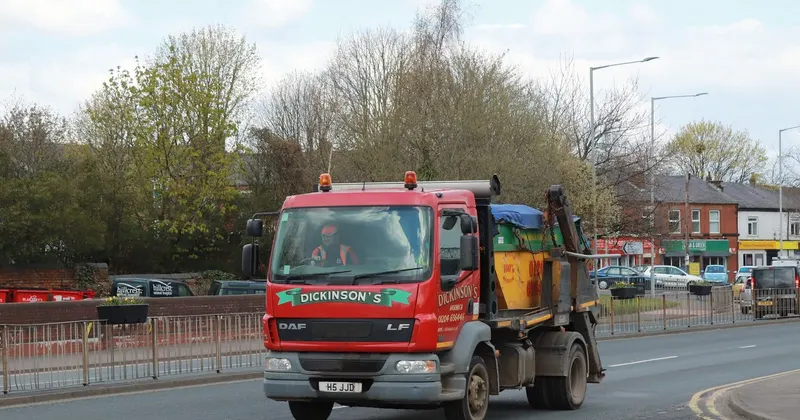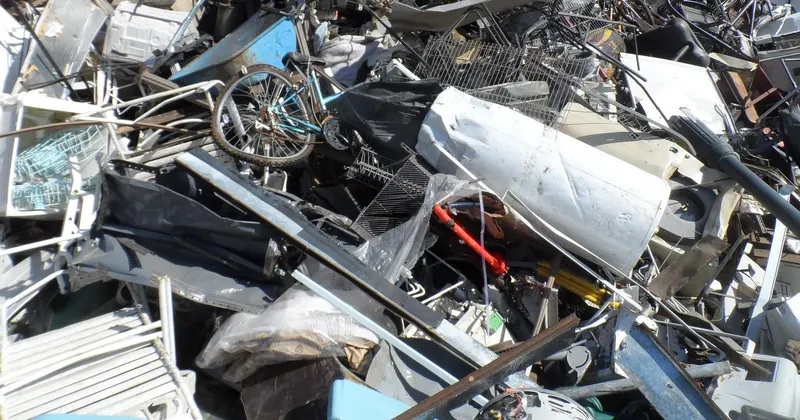

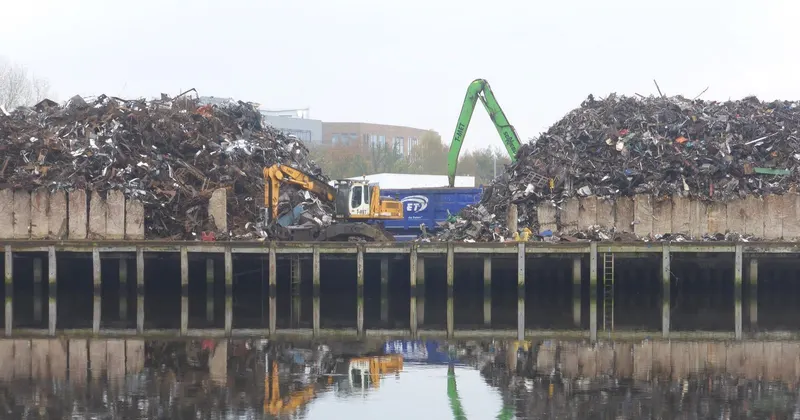
In scrap, the price is per kilo and margins are tight. That is why a weight difference between your delivery note and the customer's, or between what a supplier declares and what your weighbridge shows, quickly turns into an argument. Most of these differences have a specific cause and can be avoided with a clear procedure at the weighbridge. This article reviews the most common causes and what you can do to make sure your weight is the one that counts.
Where weight differences come from
When two weighings of the same lorry do not match, it is almost always down to one of these reasons:
- The tare. This is the most frequent cause. If one party uses a stored tare and the other weighs the empty lorry that day, the difference can be hundreds of kilos because of fuel, leftover load or a change of trailer.
- The weighbridges. Two verified weighbridges can give slightly different readings within their permitted error. If one of them does not have an up-to-date verification or is out of adjustment, the difference grows.
- Water. Scrap soaked by rain or with water collected in hollows and containers weighs more when it leaves than when it arrives, or the other way round if it dries out on the way.
- Contaminants. Soil, plastics, wood, sheathed cables or non-metallic parts that get weighed as if they were metal.
- Quality. If your yard grades by quality and the customer uses a different criterion, the total weight may match and there can still be a dispute over how much there is of each type.
- Recording errors. A wrongly copied number, a missing digit or a weighing assigned to another lorry.
Always weigh the same way: the weighbridge procedure
The first line of defence is that every weighing is done in the same way, whoever does it.
- Double weighing on inbound loads. For incoming scrap, weigh the lorry loaded on arrival and empty on departure, in the same visit. That way the net weight does not depend on an old tare.
- Stable weight and the whole lorry on the platform. No wheels off the platform, no driver leaning on the weighbridge, and wait for the display to settle.
- No typing. Let the weight go straight from the weighbridge to the delivery note. Every number copied by hand is a chance for error.
- Identify the vehicle properly. Registration plate of the lorry and the trailer. If the trailer changes, the tare changes.
- Record incidents at the time. Wet material, presence of contaminants, a lorry that has not been fully emptied. What is not recorded at the time cannot be proven afterwards.
- Give the driver a copy. The delivery note with the weight is the reference for everyone.
Agree deductions in writing
Many claims are not weighbridge differences but differences of criteria. If you apply deductions for moisture or contaminants, the customer or supplier needs to know in advance how they are calculated. Some points worth putting in writing in the terms with each customer:
- Which weighbridge is the reference in the event of a difference: the origin one, the destination one or one that is agreed.
- What difference is considered normal and from what point it is reviewed.
- How deductions for contaminants or moisture are calculated, and who decides them.
- How qualities are graded and what happens if the material does not match the agreed quality.
- Deadline for claiming once the delivery note or invoice has been received.
With these rules clear, a weight difference stops being an argument and becomes a routine procedure.
A verified weighbridge is your best argument
Ley 32/2014, de Metrología (Spain's Metrology Act), establishes in its article 8.6 that measurements made with instruments that have passed the stages of metrological control are presumed accurate, unless proven otherwise. In other words: if your weighbridge has an up-to-date verification and the customer weighs with one that does not, your weight carries more force.
To make the most of this:
- Keep the periodic verification up to date and keep the certificates.
- After any repair, do not invoice using the weighbridge until you have the corresponding verification.
- Check from time to time that the weighbridge reads zero when empty and that the same lorry weighs the same in different positions.
When the difference has already appeared
If a customer makes a claim, follow an order to find the cause before negotiating:
- Compare the two complete weighings: gross, tare and net. If the gross weights match and the net weights do not, the problem is in the tare.
- Check which tare was used on each side and what date it is from.
- Check whether the vehicle or the trailer were the same.
- See whether any incidents were recorded: rain, contaminants, incomplete unloading.
- Check the verification date of both weighbridges.
- Review who carried out the weighing and whether anyone changed the delivery note afterwards.
Having all of this in one place, rather than scattered across notebooks, tickets and spreadsheets, is what lets you resolve a claim in minutes.
How CargoGest helps at a scrap yard
CargoGest reads the gross weight, tare and net weight directly from the weighbridge, with double weighing for scrap inbound and outbound loads and stored tares per vehicle. The lorry is identified by its registration plate, with its haulier and its driver, and the delivery note captures all that data without any numbers copied by hand.
It also manages the stock of each item by warehouse, prices by customer and rates, and has users with permissions per screen and an activity log, useful for knowing who did what. For waste, it stores the LER code (European List of Waste code), the NIMA (Spanish waste producer and manager identification number) and the treatment operation on the delivery note. More details at recycling, waste and scrap and weighbridge software.