
Every time waste leaves a site for a treatment facility within Spain, it must travel with an identification document. It is the paper (today, almost always the electronic document) that states what the waste is, where it comes from, where it is going, who is transporting it and how much it weighs. For a loading centre that receives or dispatches waste, knowing who has to issue it and what each party must do helps avoid rejections, delays and problems during an inspection.
What it is and which rules govern it
The identification document is regulated by Real Decreto 553/2020, de 2 de junio, por el que se regula el traslado de residuos en el interior del territorio del Estado (Spanish Royal Decree regulating waste shipments within Spain), which develops the provisions on shipments in Ley 7/2022, de 8 de abril, de residuos y suelos contaminados (Spanish Act on waste and contaminated soils).
Article 2 of the Royal Decree defines it as the document that identifies and accompanies the waste during its shipment. Article 3 sets two requirements that must be met before any shipment:
- There must be a treatment contract between the shipment operator and the recipient (between facilities of the same company, it can be replaced by a declaration).
- The waste must be accompanied by an identification document from the origin to the destination facility.
It should not be confused with the control document for the road transport of goods: these are separate obligations, governed by separate rules. You can read more about the control document at DeCA from Infonet.
Who issues it: the shipment operator
The document is completed by the shipment operator, which Article 2 defines as the party who intends to ship waste or have it shipped. To determine who that is in each case, the rules set out an order:
- The initial producer of the waste.
- The new producer (for example, whoever treats a waste and generates a different one).
- The operator of a collection warehouse.
- The dealer.
- The broker.
- And, last of all, the holder.
For waste that falls under municipal responsibility, the operator is the local authority or the company providing the service if it is authorised by that authority.
For a loading centre, this means it can be on either side. When it receives scrap metal or rubble from a customer, it is usually the destination facility operator, and the operator is whoever sends it. When it dispatches sorted or treated material to another facility and that material is still waste, it may become the operator of that new shipment.
With or without prior notification
The Royal Decree distinguishes two regimes, and the document changes depending on which one applies.
| Without prior notification | With prior notification | |
|---|---|---|
| When | All other shipments, for example non-hazardous waste destined for recovery | Waste destined for disposal, hazardous waste destined for recovery, mixed household waste (LER 20 03 01) and any others set by regulation (Article 3) |
| Content of the document | Annex III | Annex I |
| Prior step | None, apart from the contract | Notification to the region of origin at least ten days beforehand (Article 8) |
| Submission | The operator completes it before the shipment starts and gives a copy to the carrier (Article 6.1) | The operator submits it to the region of origin, which forwards it to the eSIR electronic system (Article 6.2) |
Prior notification can be general, covering several similar shipments to the same recipient, with a maximum validity of three years. If any essential detail changes or the notified quantity is used up, a new one must be submitted.
What data it contains
Annexes I and III detail the content. Among other data, both cases include:
- The shipment operator, the origin facility, the destination facility and the carrier, with their NIF (tax ID) and NIMA (environmental facility ID).
- The LER code (European List of Waste code) of the waste.
- The quantity in kilos.
- The treatment operation the waste is destined for.
The quantity in kilos is where the weighbridge comes into play. The figure shown on the document must be justifiable by a weighing, and the more reliable that weighing is, the fewer disputes there will be when accepting the waste.
The regional authorities manage the electronic submission of these documents. Check with yours which tool to use and how it works.
What the facility receiving the waste does
The destination facility also has obligations. Under Article 6, it has a maximum of thirty days from delivery to send back the completed document with the date of acceptance or rejection of the waste.
If it rejects the waste, Article 7 provides two options: return it to the origin with its identification document or send it to another facility with a new document. In shipments with prior notification, sending it to another facility requires a new notification.
The completed document is the operator's proof of delivery of the waste. Article 6 requires operators, carriers and facility operators to keep it for at least three years.
Checklist at the weighbridge
- Is there a valid treatment contract with that customer for that waste?
- Does the lorry carry its identification document or its electronic reference?
- Does the LER code on the document match what is being unloaded?
- Does the weight on your weighbridge match the declared quantity? If not, note it down before accepting.
- Have you recorded the acceptance or rejection within the deadline?
- Do you keep the completed document together with the incoming delivery note?
Waste data on the CargoGest delivery note
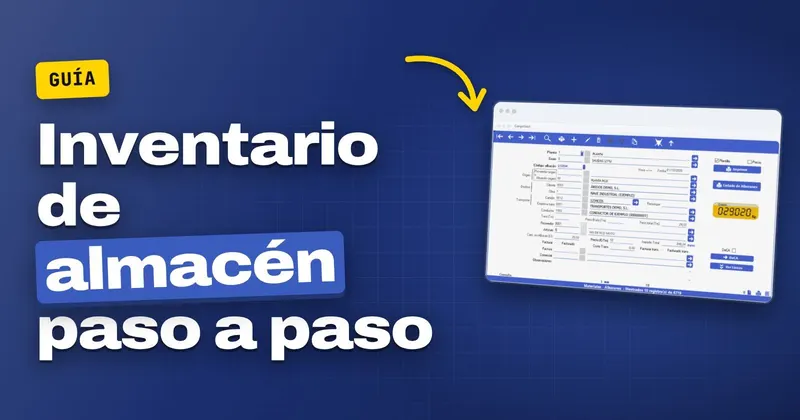
CargoGest does not replace your region's tool, but it prepares on each delivery note the data the document requires. For waste managers and recycling plants, it stores the LER code, the NIMA and the treatment operation, alongside the weight that comes directly from the weighbridge and the details of the customer, vehicle, carrier and driver.
Incoming loads are weighed with their incoming delivery note, with double weighing where needed. More details on the page for CargoGest for recycling and waste and on the weighbridge software page.